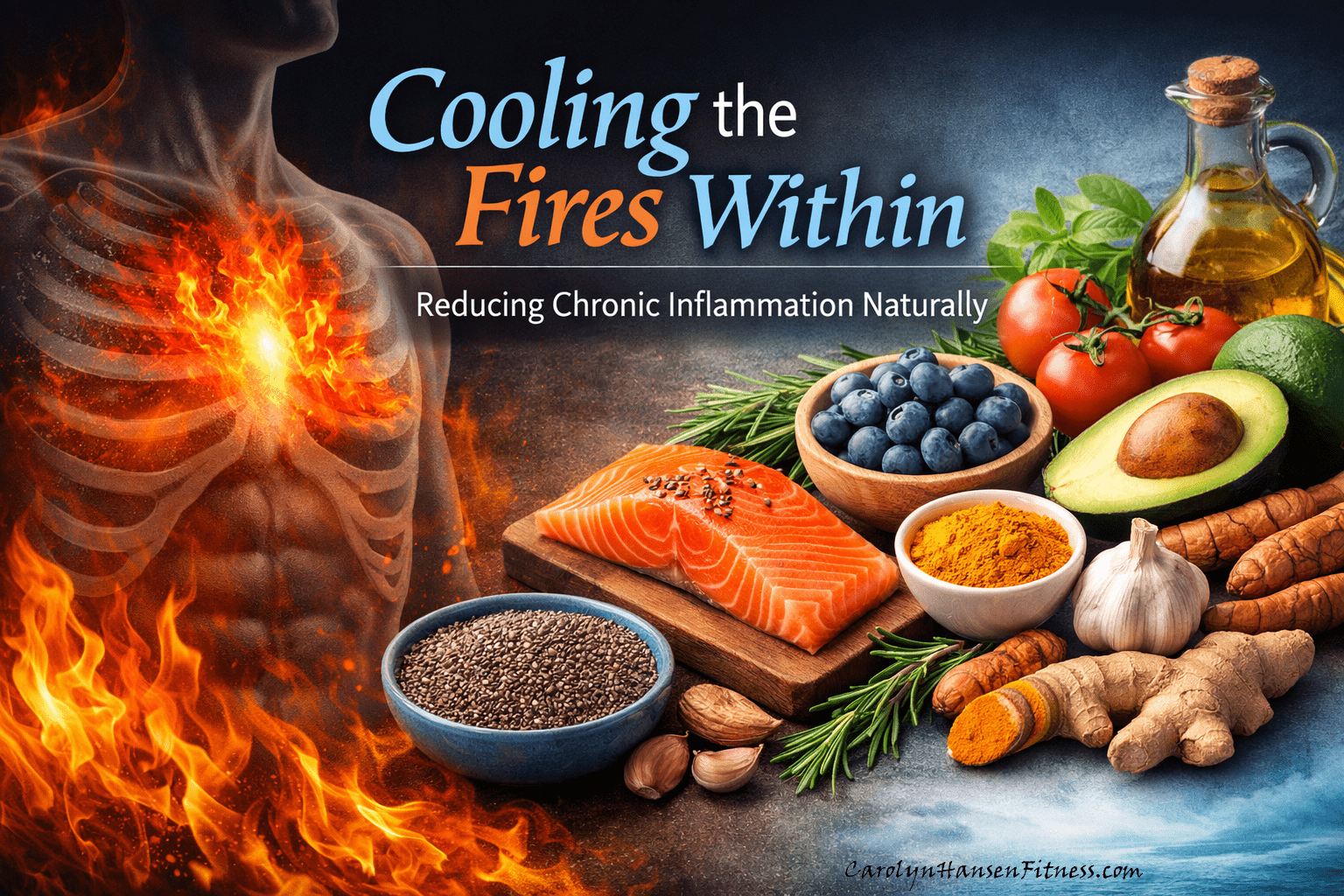
Inflammation is often compared to fire. In controlled amounts, there is no question that fire keeps us warm, healthy, and protected, but when there is too much fire, or if fire gets out of control, it can be destructive.
But a fire does not need to be big to cause damage. It is now understood that low-grade chronic or on-going inflammation that is below the level of pain, can contribute to many chronic health problems and can itself become a disease.
One of the challenges with chronic inflammation is that it often progresses silently. Because there may be no immediate pain or obvious symptoms, many people are unaware that damage is occurring beneath the surface. Over time, this silent inflammation creates the conditions for disease to develop, often long before a diagnosis is ever made. This makes early lifestyle intervention especially important, as prevention is far easier than repair.
This ongoing low-grade inflammation is the stage where your body no longer has the ability to turn off the inflammatory response and starts damaging healthy tissue or prevents them from properly repairing.
It also begins to destroy healthy cells in arteries, organs, joints, and other parts of the body. It could damage the intestinal lining in your gut and cause digestive problems, it could damage the arteries in your heart and cause heart disease, or it could damage your joints and cause rheumatoid arthritis.
At that point, too many pro-inflammatory choices have created a monster.
How To Prevent Or Reduce Inflammation –
Often, people take medications to decrease inflammation. Drugs like ibuprofen and aspirin can change the body’s chemical reactions, but they are not without side effects. Research has shown that lifestyle choices can decrease inflammation too; our choices can influence how much inflammation we have in our bodies. Adopting a healthy diet as well as other healthy lifestyle behaviors can have a dramatic effect on inflammation levels.
The wonderful news is, you can control and even reverse inflammation through a healthy lifestyle. When you don’t eat healthy, don’t get enough muscle building and maintaining exercise, don’t get enough quality sleep or have too much stress, the body responds by triggering inflammation.
Another key factor often overlooked is consistency. Anti-inflammatory living is not about perfection or short-term changes, but about creating habits the body can rely on daily. Even small improvements, when practiced consistently, help calm the immune system and restore balance. The body responds best to steady signals of nourishment, movement, rest and safety.
We have talked about the damaging consequences of inflammation to your body, brain and health over the long term. So, the food you eat, how much exercise you get, how much stress you are experiencing and the quality of sleep you get all really matter when it comes to reducing inflammation.
The most important takeaway is that inflammation is not something that happens to you randomly. It is largely influenced by daily choices that are within your control. By reducing inflammatory foods, moving your body regularly, managing stress and prioritizing sleep, you give your body the opportunity to heal, repair and protect itself as nature intended. Over time, these choices quiet the fires within and create the foundation for long-term health, vitality and resilience.
There are many simple things we all can do to dampen, counteract and prevent health issues caused by chronic inflammation. The most powerful changes are often the simplest and easiest to sustain. Choosing whole, unprocessed foods most of the time gives the body the raw materials it needs to repair tissue and regulate immune responses. Fresh vegetables, fruits, healthy fats, quality proteins and plenty of water help calm inflammation at the cellular level and support natural healing processes.
Regular physical activity is equally important.Movement improves circulation, reduces inflammatory markers and helps the body manage blood sugar and stress hormones more effectively. Exercise does not need to be extreme to be beneficial. Daily walking, strength training, stretching or gentle activities such as yoga all send strong anti-inflammatory signals throughout the body and help maintain joint, muscle and metabolic health.
Sleep and stress management are often underestimated but play a critical role in controlling inflammation. Poor sleep and chronic stress keep the nervous system in a constant state of alert, which promotes inflammation. Prioritizing quality sleep, practicing relaxation techniques, spending time outdoors and allowing moments of mental rest give the body permission to shift into repair and recovery mode.
Finally, reducing exposure to inflammatory triggers such as smoking, excessive alcohol, environmental toxins and highly processed foods can significantly lower the inflammatory burden on the body. When these simple habits are practiced consistently, the body is better able to regulate inflammation, protect healthy tissue and maintain balance. Over time, these choices create an internal environment where healing is supported and long-term health can thrive.
Here are some well-known anti-inflammatory foods that are easy to include regularly and work together to calm inflammation naturally:
Leafy green vegetables such as spinach, kale, Swiss chard and arugula are rich in antioxidants and plant compounds that help protect cells from inflammatory damage.
Fatty fish including salmon, sardines, mackerel and trout provide omega-3 fatty acids, which are among the most powerful dietary anti-inflammatory nutrients.
Berries such as blueberries, strawberries, raspberries and blackberries are high in polyphenols that help neutralize free radicals and reduce inflammatory markers.
Healthy fats from extra virgin olive oil, avocados, olives, nuts and seeds support hormone balance and reduce inflammatory signaling in the body.
Nuts and seeds including walnuts, chia seeds, flaxseeds and almonds provide fiber, omega-3s and antioxidants that help calm immune overactivity.
Spices and herbs such as turmeric, ginger, garlic, cinnamon, rosemary and oregano contain natural compounds that inhibit inflammatory pathways.
Colorful vegetables like broccoli, cauliflower, bell peppers, carrots and sweet potatoes supply vitamins, minerals and phytonutrients that support cellular repair.
Green tea contains catechins, powerful antioxidants that help reduce inflammation and support metabolic and cardiovascular health.
Including a variety of these foods on a regular basis helps create an internal environment that naturally limits inflammation and supports long-term health.
It’s time to focus on what makes life healthier for you –
Visit Self-Improvement Gifts where you will find a library of Free resources designed to help you with all your health and fitness needs.