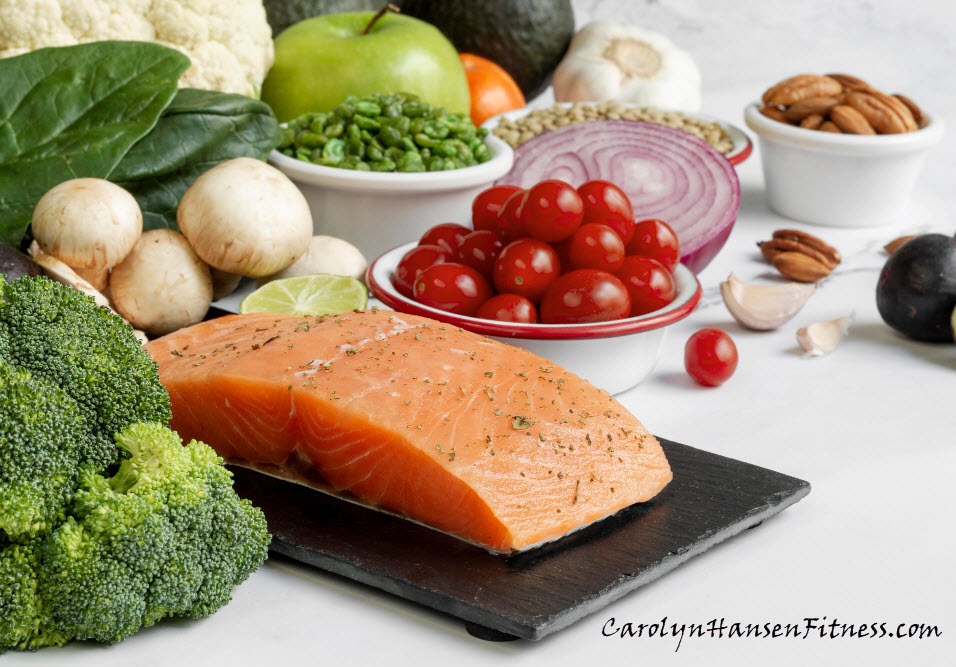
What you place on your plate each day has a powerful influence on how you age, how you feel, and how your body functions. The right foods stabilize blood sugar, reduce inflammation, support hormone balance, strengthen the immune system, and protect against free radical damage. These are the foundations of slowing the aging process naturally and maintaining vitality as the years pass.
Aging is not simply about the number of candles on a birthday cake. It is about cellular health. Every cell in your body is constantly repairing, regenerating and responding to the environment you create internally. Food is one of the most direct ways you influence that internal environment. When you consistently choose nutrient-dense whole foods, you give your body the raw materials it needs to rebuild itself efficiently and defend against damage.
The common thread among the most powerful anti-aging foods is simple. They are whole, single-ingredient foods in their natural state. Not processed. Not refined. Not chemically altered. Just real food as it was grown, harvested or naturally raised. These foods contain vitamins, minerals, fiber, antioxidants and healthy fats in balanced forms that the body recognizes and uses effectively.
Anti-aging Food Choices
Nuts and seeds such as almonds, walnuts, Brazil nuts, pecans, pistachios, macadamia nuts, hazelnuts, cashews, sunflower seeds, sesame seeds, pumpkin seeds and pine nuts provide healthy fats, fiber and essential minerals like magnesium, zinc, selenium and copper. Healthy fats support brain function and hormone balance. Magnesium supports muscle relaxation and cardiovascular health. Selenium plays a key role in antioxidant defense and thyroid function. These small foods carry a remarkable nutritional punch and help stabilize blood sugar levels, reducing the insulin spikes that accelerate aging.
Berries and fruits including blueberries, blackberries, raspberries, strawberries, cranberries, cherries, pomegranate, grapes, watermelon, cantaloupe, honeydew, mango, papaya, kiwi, guava, peaches, plums, nectarines, oranges, tangerines, grapefruit, figs, passion fruit, pineapple, lemon and lime are rich in vitamin C, potassium, fiber and powerful antioxidants. Antioxidants neutralize free radicals, unstable molecules that damage cells and contribute to wrinkles, inflammation and chronic disease. Fruits also support hydration and digestion, two often overlooked components of youthful vitality. When digestion functions efficiently, nutrients are absorbed properly and waste is eliminated effectively, reducing toxic buildup in the body.
Vegetables such as broccoli, Brussels sprouts, cabbage, cauliflower, kale, Swiss chard, mustard greens, asparagus, artichoke, carrots, beets, eggplant, celery, cucumber, onions, green onions, bell peppers, tomatoes, squash, pumpkin, mushrooms and rhubarb provide fiber, phytonutrients and detoxifying compounds that support the liver and immune system. Cruciferous vegetables like broccoli and cabbage assist the body in metabolizing hormones properly, which becomes increasingly important as we age. Leafy greens deliver vitamin K, iron and calcium to support bone density and blood health. Brightly colored vegetables supply carotenoids and flavonoids that protect skin and eye health.
Lean proteins including salmon, trout, mackerel, herring, cod, halibut, haddock, flounder, perch, tilapia, shrimp, scallops, mussels, clams, crab, lobster, oysters, chicken breast, turkey breast, eggs, bison, elk, venison and lean cuts of beef provide high-quality amino acids required for tissue repair and muscle preservation. After the age of thirty, we naturally begin to lose muscle mass unless we actively maintain it. Adequate protein intake supports strength, metabolic rate and physical resilience. Fatty fish such as salmon and mackerel supply omega-3 fatty acids, which reduce inflammation, support cardiovascular health and protect cognitive function.
Hydration also plays a significant role in the aging process. Foods with high water content such as cucumber, watermelon, celery, citrus fruits and leafy greens contribute to proper hydration at the cellular level. Well-hydrated cells function more efficiently, and hydrated skin appears firmer and more radiant. Water supports detoxification, circulation and nutrient transport throughout the body.
Another important factor in healthy aging is blood sugar control. Chronic spikes in blood glucose lead to a process known as glycation, where sugar molecules attach to proteins and damage tissues. This contributes to wrinkles, stiff joints and cardiovascular disease. High-fiber foods such as berries, legumes, vegetables and nuts slow the absorption of glucose into the bloodstream, helping to maintain steady energy levels and reduce insulin resistance.
Inflammation is another driver of aging. While short-term inflammation is part of the body’s natural healing response, chronic low-grade inflammation accelerates tissue breakdown and increases the risk of disease. Omega-3 rich fish, colorful fruits and vegetables, leafy greens and spices such as turmeric all help calm inflammatory pathways and support long-term health.

Keep It Simple
The unifying principle behind all of these foods is simplicity. Whole foods work in synergy. Their nutrients are packaged together in ways that enhance absorption and effectiveness. In contrast, highly processed foods often contain added sugars, refined oils, artificial preservatives and excess sodium. These substances promote inflammation, oxidative stress and unwanted weight gain. Over time, excess body fat places additional strain on the heart, joints and metabolic system.
Maintaining a healthy body weight is not about restriction but about nourishment. When you focus on nutrient-dense foods, appetite naturally regulates itself. Fiber and protein increase satiety, reducing the urge to overeat. Stable blood sugar reduces cravings for processed snacks and sugary foods.
Healthy aging is also closely tied to gut health. The fiber found in vegetables, fruits, nuts and seeds feeds beneficial gut bacteria. A balanced microbiome supports immune strength, mood stability and nutrient absorption. Emerging research continues to show that gut health influences everything from brain function to inflammation levels.
When you step back and look at this blueprint, it becomes clear that anti-aging nutrition is not about exotic supplements or complicated plans. It is about consistency. It is about choosing foods that support cellular repair, hormone balance, immune strength and metabolic stability day after day.
Real food supports steady energy, balanced hormones, healthy cholesterol levels and strong muscles and bones. It helps protect the brain, heart and digestive system. It encourages a healthy body composition and reduces the burden of chronic inflammation.
Eating as close to nature as possible remains one of the most powerful strategies for slowing the visible and invisible signs of aging. The fewer ingredients on your plate, the more efficiently your body can recognize, absorb and utilize them.
The path to healthy aging is not complicated. It begins with simple, whole, nutrient-dense foods chosen consistently. Over time, those daily choices compound into stronger cells, clearer thinking, sustained energy and a body that continues to function with resilience and strength well into the years ahead.
It’s time you lived your best life possible and everything you need to discover and live that life can be found at:
Self-Improvement Gifts a Library of Free resources that will help you with all your health and fitness needs.